Did you know that more than 40% of Express Entry applicants now add French to boost their CRS score? Every year, thousands of people secure an extra 25 to 50 points just by sitting for the right French exam. Those extra points can be the difference between waiting endlessly and getting an Invitation to Apply (ITA).
So, if you’re planning to immigrate to Canada and need to prove your French skills, you’ve probably come across two major exams: TEF and TCF. Both are approved by IRCC, both test the same skills, but they are not exactly the same. One may suit your learning style better or give you an advantage depending on your strengths.
Let’s help you figure out which one is right for you without the confusion.
What are TEF and TCF?
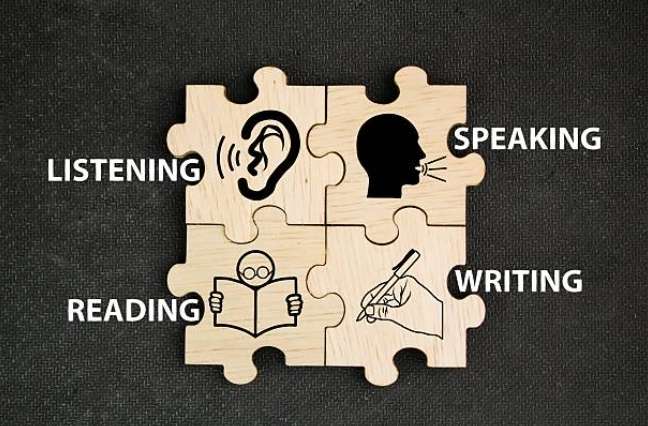
The TEF (Test d’Évaluation de Français) and TCF (Test de Connaissance du Français) are internationally recognised French-language proficiency exams used for immigration, citizenship, and higher education. Both exams assess the core skills of listening, reading, speaking, and writing and align with CEFR levels from A1 to C2.
These exams are official language tests accepted by Canadian immigration authorities. While both measure your French skills, they are run by different organisations:
- TEF Canada is managed by the Chambre de Commerce et d’Industrie de Paris (Paris Chamber of Commerce). It focuses more on business and economic French.
- TCF Canada is organised by France Éducation International, under the French Ministry of Education, which also oversees other exams, such as DELF and DALF.
Similarities between TEF and TCF
- Both assess the four main language skills: reading, listening, writing, and speaking
- IRCC officially recognises both for Canadian immigration purposes
- You must complete all sections for the test results to be valid
- There is no negative marking; guessing is better than leaving answers blank
- Scores convert to Canadian Language Benchmark (CLB) levels, which determine immigration points
What’s the difference between TEF and TCF?
| Feature | TEF Canada | TCF Canada |
|---|---|---|
| Test sections | Reading, Listening, Writing, Speaking | Reading, Listening, Writing, Speaking |
| Reading | 40 multiple-choice questions in 60 minutes; passages reused | 39 multiple-choice questions in 60 minutes; new passage per question |
| Listening | 40 questions in 40 minutes; questions visible before and during audio | 39 questions in 35 minutes; questions appear after audio |
| Writing | 2 tasks (story continuation, argumentative essay); fixed time | 3 tasks (informal/formal letter, opinion essay); flexible timing |
| Speaking | 2 tasks (formal conversation, role-play); 1-minute prep time | 3 tasks (self-intro, info exchange, monologue); flexible topics |
| Time management | Strict section timing | Flexible timing within each section |
| Scoring | Based on CEFR/NCLC levels; no sectional retakes | Same, no sectional retakes |
| Test availability | Widely available with growing global centres | 39 questions in 35 minutes; questions appear after the audio |
Why you need TEF or TCF for Canadian immigration
Canada requires proof of French proficiency for many immigration programs. Your TEF or TCF scores are converted to CLB levels, which directly impact your Express Entry CRS points or eligibility for provincial nominee programs.
Both exams are valid for two years from the test date, so it is important to time your exam to coincide with your immigration application.
Which exam is easier?
| Skill | TEF Canada | TCF Canada |
|---|---|---|
| Reading | Easier due to reused passages; less reading overall | More passages, one per question; can feel slower |
| Listening | Easier because you see questions before and during audio | Harder as questions appear only after the audio |
| Writing | Requires creativity under strict time; story continuation is unique | More practical tasks; flexible timing helps pacing |
| Speaking | Role-play can be demanding but suits those confident in formal settings | Everyday topics, less pressure but increasing difficulty |
Practical tips to choose and prepare
- If you prefer structured tests and formal writing, TEF is a better fit
- If you like practical writing tasks and flexible timing, TCF may suit you more
- Struggling with listening? TEF lets you preview questions, giving you an edge
- If strict timing stresses you out, TCF’s flexible timing can help
- Practice sample tests from both exams to see which one feels more comfortable
Frequently asked questions
Can I take both tests?
Yes, but you pay separately for each. Most candidates choose one based on availability and preference.
Can I retake only the failed sections?
No. You must retake the entire exam to improve your score.
How long are results valid?
Both results are valid for two years from the test date.
Is one exam cheaper than the other?
Costs vary by test centre. Check local fees before booking.
Which exam is better for Express Entry?
Both are accepted equally. It depends on which exam suits your strengths.
Conclusion
Both TEF Canada and TCF Canada offer reliable ways to demonstrate your French language skills for Canadian immigration. Your best choice depends on your language strengths, test style preferences, and logistics.
Choose TEF if you prefer strict timing, formal tasks, and seeing questions during the listening section. Choose TCF if you like flexible timing, practical writing, and the ability to handle questions after listening.
Prepare well, familiarise yourself with the program requirements, and pick the exam that plays to your advantage.
Take control of your future. Reach out to us today to get started with tailored classes that prepare you for success in the TEF and TCF exams.