Just like Cinderella’s shoe didn’t fit every maiden, so also there is no one-size-fits-all answer to this question. How long it takes to prepare for the IELTS test depends on your current English level, your study habits, knowledge of the IELTS test format, test type, access to feedback, and your target band score.
Let’s drive home the point with a recent conversation with a prospective test taker in August 2025. He reached out to our support team for his IELTS. During the chat, he kept switching to Yoruba and couldn’t keep the conversation going in English.
That already signalled that he would need about 5 months of focused preparation to build the foundation he needs. Otherwise, he may have to retake the exam and wonder why he’s not passing a ‘simple’ English exam.
But we’ve had students who prepared for just a month and passed on their first attempt, and even a few who did it in under a week.
What affects your IELTS prep time?
Here are the key factors that will determine how long you need to prepare for the IELTS exam:

1. Your current English level:
This is the biggest factor. Your foundation determines how fast you can progress.
From our experience, people with strong English skills can prepare comfortably within one month if they are not in a rush. But we also train people who prepare in very short timelines.
We have prepared people who studied for three days, five days, ten days, two weeks, and three weeks, depending on how urgent their exam was. They all achieved great results because their study schedules matched their starting point and commitment.
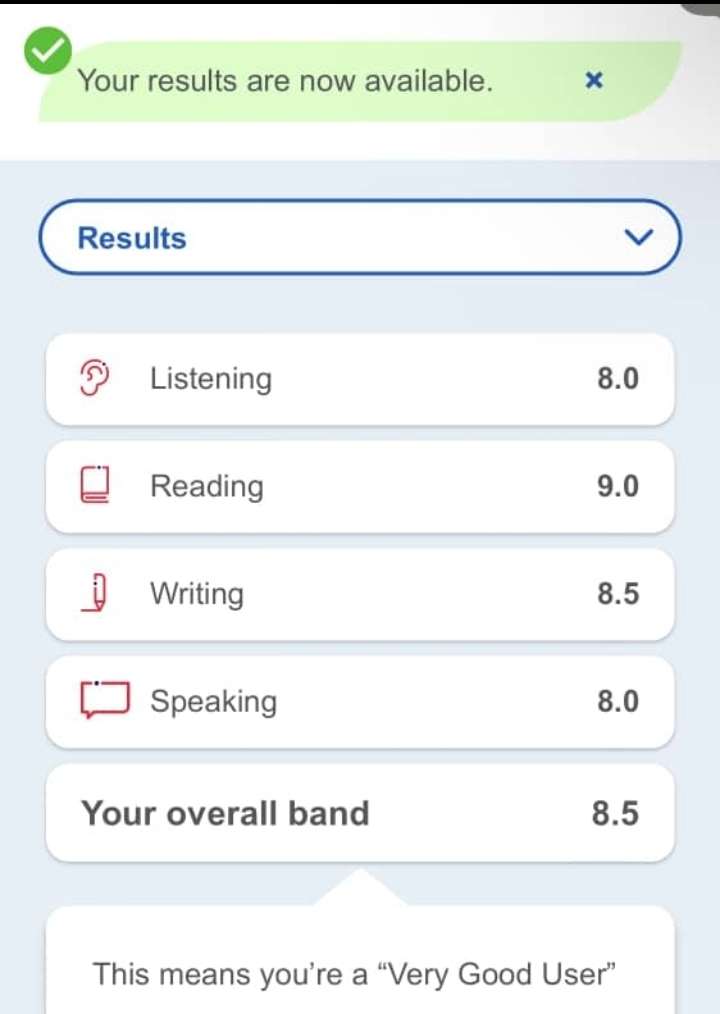
If your English is good and you are not under pressure, one month of structured prep is enough. If your foundation is weak, give yourself more time so you do not stress yourself unnecessarily.
2. Your target band score:
Lower bands like 5.5 or 6 usually require about one or two months of steady practice. Higher bands like 8 or 9 need at least three to four months of focused study. These advanced scores demand strategy, consistency, and a deeper understanding.
3. How often you practice:
Consistency is important in IELTS preparation, and how much you practice depends on your level:
- Beginners: If you struggle to form sentences, read slowly, or lose track when people speak fast, you’re a beginner. You need to build your foundation, so 3–4 hours daily works best.
- Intermediate: If you can speak and understand English but still make many mistakes, get confused with accents, or your writing isn’t clear, you’re an intermediate. You mostly need polishing, so 2–3 hours daily is enough.
- Advanced: If you understand English comfortably and only need the exam strategy, you’re advanced. You just need to sharpen your skills for 1–2 hours daily.
Short, daily practice beats long, irregular sessions.
4. The study materials you use
Using official IELTS prep materials, taking timed mock tests, and getting feedback from an experienced tutor can save you months of trial and error. Focus on trusted sources to learn the right strategies and avoid low-quality content.
5. How familiar you are with the IELTS format
The more you understand the test, the easier your prep will be. Get comfortable with:
- Different accents in the Listening test
- Skimming and scanning techniques for the Reading test
- Structuring essays and reports for the Writing test
- Speaking clearly and naturally for the Speaking test
IELTS prep tips that actually work

- Assess your current level and weak areas: Take a mock test under real exam conditions to identify where you need the most improvement.
- Set a realistic preparation timeline: Plan your study schedule based on how much time you have before the test and your target score.
- Create a consistent weekly study plan: Spread your study sessions evenly throughout the week to stay focused and avoid burnout.
- Focus more on your weak sections: Spend extra time practising the skills or sections you find most challenging to boost your overall score.
- Use official and trusted study materials: Stick to reputable resources like official IELTS materials or platforms like PrepMeWell for effective learning.
- Take regular mock tests: Practice full tests frequently to get used to the exam format and track your progress.
- Review mistakes and get feedback: Analyse your errors after each test, ideally with a tutor or reliable app, to avoid repeating them.
- Set clear, measurable goals: Define weekly targets, such as improving a specific skill or completing a set number of practice tests.
- Prepare before registering: Make sure you have enough study time planned before booking your exam to avoid stress.
Plan for 8.0 IELTS band score

To get an 8.0 overall score, it’s important to understand what each skill requires.
Here is what an 8.0 performer looks like:
- Listening: Get 38 to 40 questions correct
- Reading: Get 38 to 40 questions correct
- Writing: Meet task requirements, write with coherence, use strong vocabulary, and maintain grammatical accuracy
- Speaking: Speak clearly, confidently, and naturally with good pronunciation and vocabulary
Strong listening and reading scores are key to an 8.0. Scoring 38 to 40 in these sections greatly increases your chances.
A good 8.0 preparation plan includes:
- Start with a diagnostic test
- Join a class or study group
- Set micro goals like completing one reading passage or writing one essay a day
- Use authentic IELTS materials
- Record and review your speaking
- Take weekly mock tests
- Give more time to weak areas
- Use vocabulary and grammar tools
- Get expert feedback for writing and speaking
Working professionals can use this study time distribution:
- Listening: 25 percent
- Reading: 25 percent
- Writing: 30 percent
- Speaking: 20 percent
Resources for IELTS prep
Here are reliable materials to help you prepare for IELTS at home:
IELTS Cambridge:
This well-known book series offers full practice tests covering all four skills. Its format closely mirrors the actual IELTS exam, making it a reliable tool to prepare effectively.
Get Ready for IELTS:
Published in the UK, this series focuses entirely on the four key skills in English. It’s designed for self-learners who want to build a strong foundation across all areas.
English Pronunciation in Use:
Perfect for beginners aiming to improve their pronunciation. The book includes audio and video materials to help you learn naturally and confidently.
English Vocabulary in Use:
A comprehensive series that covers vocabulary from beginner to advanced levels, researched and developed by Cambridge University experts. It covers the latest common topics you’ll encounter.
Cambridge Grammar for IELTS:
This book breaks down 25 essential grammar points that are crucial for the exam. It’s especially useful for improving your writing and speaking skills with clear, focused lessons.
Each resource offers a clear, step-by-step approach to help you build your IELTS skills with confidence.
Free IELTS mock test site
We provide free mock tests on our website. You can practice listening, reading, writing, and speaking in real exam conditions. This helps you measure your progress and understand what to improve before your actual test day.
Frequently Asked Questions
Can I prepare for IELTS in one month?
Yes, you can. As long as your English is already strong and you follow a clear study plan.
How do I know how much time I need?
Take a mock test. Your result will tell you where you stand and how much time you should give yourself.
Can I prepare on my own and still get a good score?
You can try, but it’s tough, especially for Writing and Speaking. Those parts need feedback.
When should I book my test date?
Book it after you take a mock test and you’re sure you’re ready. Don’t rush it.
Do I need IELTS classes to get a high score?
Yes, you do. Classes give you guidance and the feedback you need to reach higher bands.
It’s time to start preparing smarter. With expert study guides, personalised coaching, and proven strategies from PrepMeWell, you can skip the guesswork and fast-track your success. Take charge of your IELTS journey now and boost your confidence to hit your target score with ease.