Canada is one of the best countries for international students who want to study abroad with world-class universities, a high quality of life, and the opportunity to work while studying.
It’s no surprise that many students choose to study in Canada, a country diverse, and full of opportunities, especially in high-demand fields like technology.
In this post, we’ll guide you through how to apply to study in Canada, step by step.
Step 1: Choose a Program

Begin by choosing the degree program that fits your goals. Most programs in Canada are taught in English, whether you’re aiming for an undergraduate or graduate degree. Canadian universities offer a wide range of fields, from humanities and business to the sciences, earning international recognition for their quality.
With so many Canadian universities for international students available, finding the right fit can be overwhelming. So, how do you make the best choice?
Here are 4 important factors to consider:
- Tuition – Some schools charge more than others. For example, the University of Toronto can charge around CAD 45,000 to CAD 60,000 per year for international students. Schools like Memorial University or the University of Manitoba offer cheaper options.
Note: These tuition fees are estimates and vary based on the program, level (undergraduate or postgraduate), and the year. Always check the school’s official website for the most current fees.
- Location: Big cities like Toronto and Vancouver are fun and full of opportunities, but they’re also more expensive. Smaller cities or towns like St. John’s or Halifax might save you money.
- Reputation: Some schools are known for certain courses. For example, Waterloo is great for tech, McGill is strong in medicine, and UBC is popular for engineering.
- Scholarships: Some schools offer scholarships to international students. Look out for these because they can help reduce your expenses.
Also, very important: make sure the school is on the Designated Learning Institutions (DLI) list. That’s the only way you’ll get a study permit.
Once you’ve chosen your school, the next step is to understand what they want from you.
Step 2: Check admission requirements

Before you apply, make sure you meet the admission requirements of the school you’ve chosen. Every university or college has its own specific requirements, but most of them usually ask for the following:
- Academic transcripts: These are your school results. If you’re applying for an undergraduate course, you’ll need your secondary school results, like WAEC. For postgraduate programs, you’ll need your university transcript.
- English language test: Most Canadian schools want proof that you can speak and understand English. The IELTS test is commonly accepted. Some schools also accept TOEFL or CELPIP. You can check the school’s website to confirm which one they prefer and what score you need.
- Recommendation letters: Some schools, especially for master’s or PhD programs, will ask for letters from your teachers or employers. Not all schools ask for this, but if it’s required, you must submit them.
- Statement of purpose (SOP): This is a short essay about why you want to study your chosen course and why you picked that school. Write clearly, be honest, and stay focused on your goals. Write a high landing SOP from us.
To find the exact requirements for your course, visit the school’s official website and search for the program you’re applying to. Everything you need will be listed there, including deadlines and special instructions for international students.
Once you’ve confirmed what’s required, you’re ready to submit your application.
Step 3: Submit your application
Once you’ve gathered your documents and you’re sure you meet the requirements, it’s time to send in your application.
You can apply in two ways:
- Directly through the school’s website: Go to the school’s admission page, create an account, and follow the steps to apply.
- Through platforms like ApplyBoard: This platform helps international students apply to Canadian schools easily. You create a profile, upload your documents, and ApplyBoard helps submit them to the schools you choose.
Deadlines vary depending on the school and program, but most fall between January and April for September admission. Always check the school’s website for the exact dates.
Processing time can also differ. Some schools may give you a decision in 4–8 weeks, others may take longer. So apply early.
Step 4: Apply for a study permit
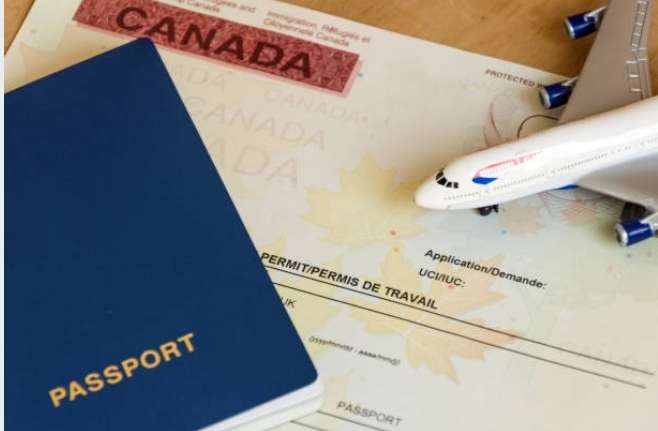
After you get your admission letter, the next step is to apply for a study permit. This is what allows you to stay and study in Canada legally.
Here’s how to apply:
- Visit the official Canada study permit page.
- Create an IRCC account and fill out the online form.
- Upload your documents, which include:
- Admission letter (from the school)
- Proof of funds (to show you can pay tuition and living expenses)
- A valid passport
- Passport-sized photo
- Statement of Purpose (optional but helpful)
- Police certificate and medical exam (if required)
- Pay the application fee: The fee is CAD 150.
- Submit and wait. It usually takes 1 to 3 months depending on your country.
You can also apply through a visa application centre (VAC) in your country if you’re not applying online.
Step 5: Plan your move
Once your study permit is approved, it’s time to plan your life in Canada.
These are a few important things to sort out:
- Housing: Decide whether you want to stay on-campus (student residence) or off-campus (renting a room or apartment). Schools usually give options after admission.
- Health insurance: Most provinces require international students to have health coverage. Some schools include it in your tuition, and others will guide you on how to get it.
- Financial planning: Know how much you’ll need each month for food, transport, books, and other things. On average, international students spend around CAD 10,000–15,000 per year on living expenses.
- Travel: Book your flight early. Make sure your visa and documents are ready. And don’t forget to arrive before your classes start.
Frequently Asked Questions
Can I apply to multiple universities in Canada at the same time?
Yes, you can apply to several universities or colleges, but you’ll need to pay separate application fees for each.
How long does it take to get a study permit after applying?
It usually takes about 6 to 11 weeks to get a study permit, depending on where you apply and how complete your documents are.
How important are recommendation letters for Canadian university applications?
They can be important, especially for graduate programs or competitive courses. Check each school’s requirements.
What happens if my study permit application is refused?
You can reapply or appeal depending on the reason, but it’s best to ensure your application is complete and accurate.
When should I start applying to study in Canada?
Start at least 6 months to 1 year before your intended start date to allow enough time for applications and permits.
Conclusion
Canada offers not just education, but opportunities. You can work while studying, meet people from around the world, and even explore permanent residency after graduation.
We’ve shown you where to find schools, how to apply, what documents you need, and how to plan your move. But you don’t have to figure it all out by yourself.
We can help you handle the entire process. From choosing the right school, applying through ApplyBoard, right on our website, to guiding you through your SOP, visa application, and more. We’re here to make it easy and stress-free.